

Team outings that truly make a difference: Practical guide for leadership & HR
Date
Written by
Emily Finke
Reading time
4 min.
News
A well-planned team outing strengthens team culture, improves communication, and has a longer-lasting impact than any motivational slogan. In this article, we’ll show you how to plan team events in a meaningful way, make them measurable—and how we handle it (from after-work events to city trips like Barcelona, London, and Vienna).
Why team outings deliver more than “just fun”
Team outings are not a “nice-to-have.” They:
create psychological safety (people speak more openly, ideas flow more easily),
improve internal communication (including across teams),
promote team culture (shared memories = shared spirit),
increase retention & engagement (a strong sense of togetherness builds loyalty).
Our practice:
1× per year one major team outing (e.g., Barcelona, London, Vienna).
Regular after-work events (e.g., pizza night, dinner together in Dieburg) for an “immediately noticeable” effect in everyday work.
Key takeaway: Small, regular team events keep morale high—the big team outing gives the year direction and energy.
Formats: From micro-events to offsite
After-work events (2–3 h)
Relaxed setting, quick impact: going out to eat, cooking night, small challenge.
Our classic: Pizza night at the office
Team Day (½–1 day)
Workshop in the morning, team experience in the afternoon (e.g., city rally, escape room, dinner).
Offsite / city trip (1–3 days)
Strategic sessions + experiences.
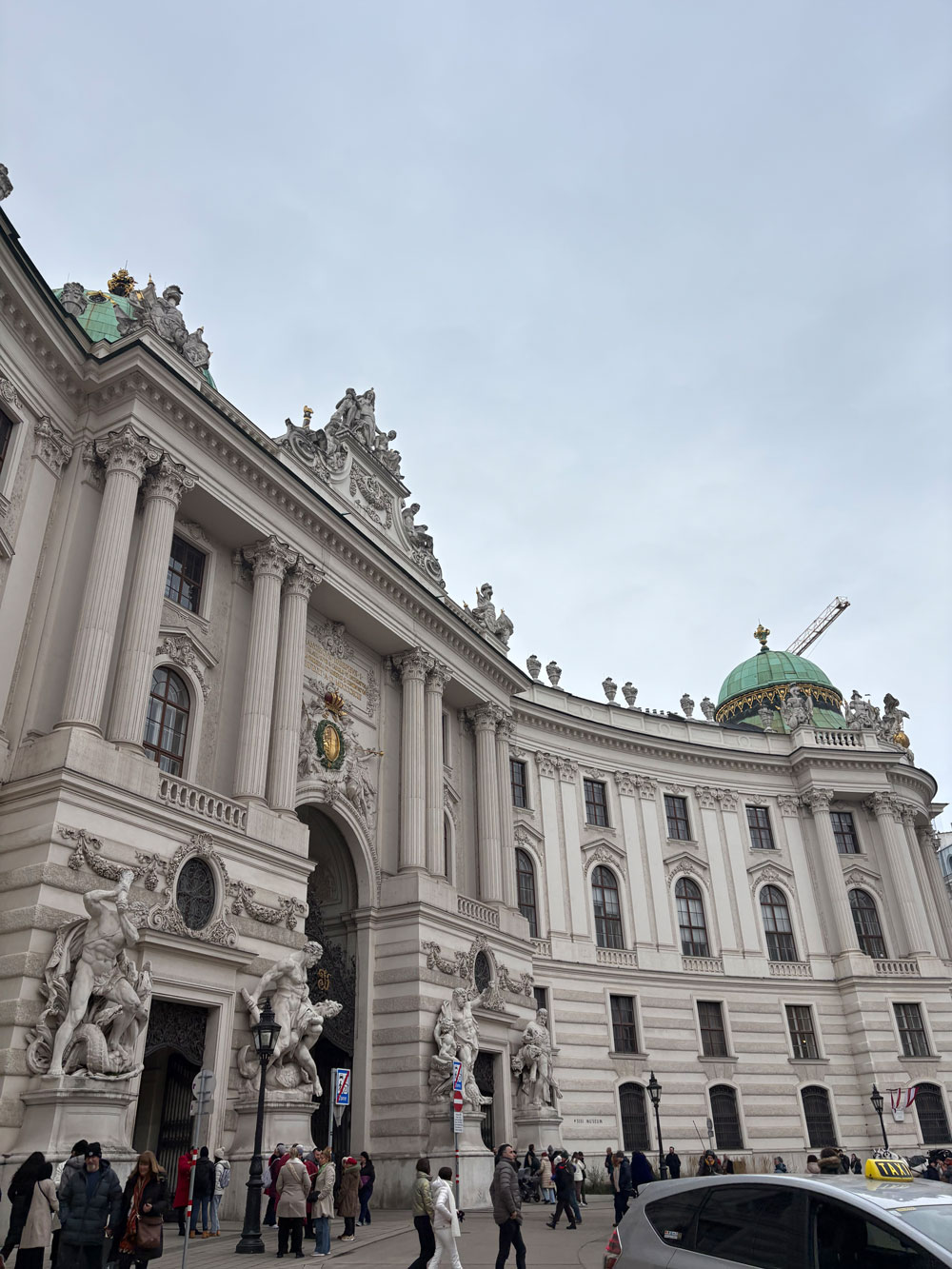
Our examples: Barcelona, London, latest trip: Vienna.
7 steps for a team outing that leaves a lasting impression
Define goals – What should change? (e.g., “improve team climate” or “strengthen communication between departments X/Y”)
Set format & budget – Micro-event vs. offsite. Plan travel, location, activities, catering—with buffer.
Build a program with rhythm – Balance structure (workshops) and experience (shared activity). Tip: focus in the morning, connection in the afternoon.
Clarify roles & responsibilities – Organization (logistics, bookings), facilitation (agenda), documentation (photos/notes).
Think inclusion – Accessibility, dietary preferences, budget transparency, options for introverts/extroverts.
Communicate in advance – Expectation management, packing list, goal & agenda—short, clear, motivating.
Ensure transfer – After the event: 30-minute retro, 3 concrete “next steps,” responsibilities, follow-up date.
Content that works (and why)
Shared creation: e.g., cooking night, street food tour, mini film/photo challenge → strengthens ownership & storytelling.
Light competition: escape room, quiz, city rally → promotes cooperation & pace.
Culture & city vibe: guided walk, museum with a “creative brief” → broadens perspectives.
Purpose element: social impact (e.g., tree-planting campaign) → connects team culture with values.
Our learnings:
After-work events like pizza night are perfect “micro-boosters.” City trips (Barcelona, London, Vienna) deliver the annual kick—for both professional and human connection.
Insights: Our Vienna trip in December
The setup: Two companies, one shared trip—a deliberate come-together across company boundaries. Goal: deepen relationships, share knowledge, spark new project ideas.
The rhythm:
Short alignment slots & walk-and-talks in the morning, followed by shared experiences—this created closeness without meeting overload.
Stops & highlights:
Brewery tour (including insights into process & production): low-stakes, high-talk—the perfect backdrop for professional conversations “between topics.”
Restaurant visits: Short table rounds with rotating seating plans—so everyone talks with everyone.
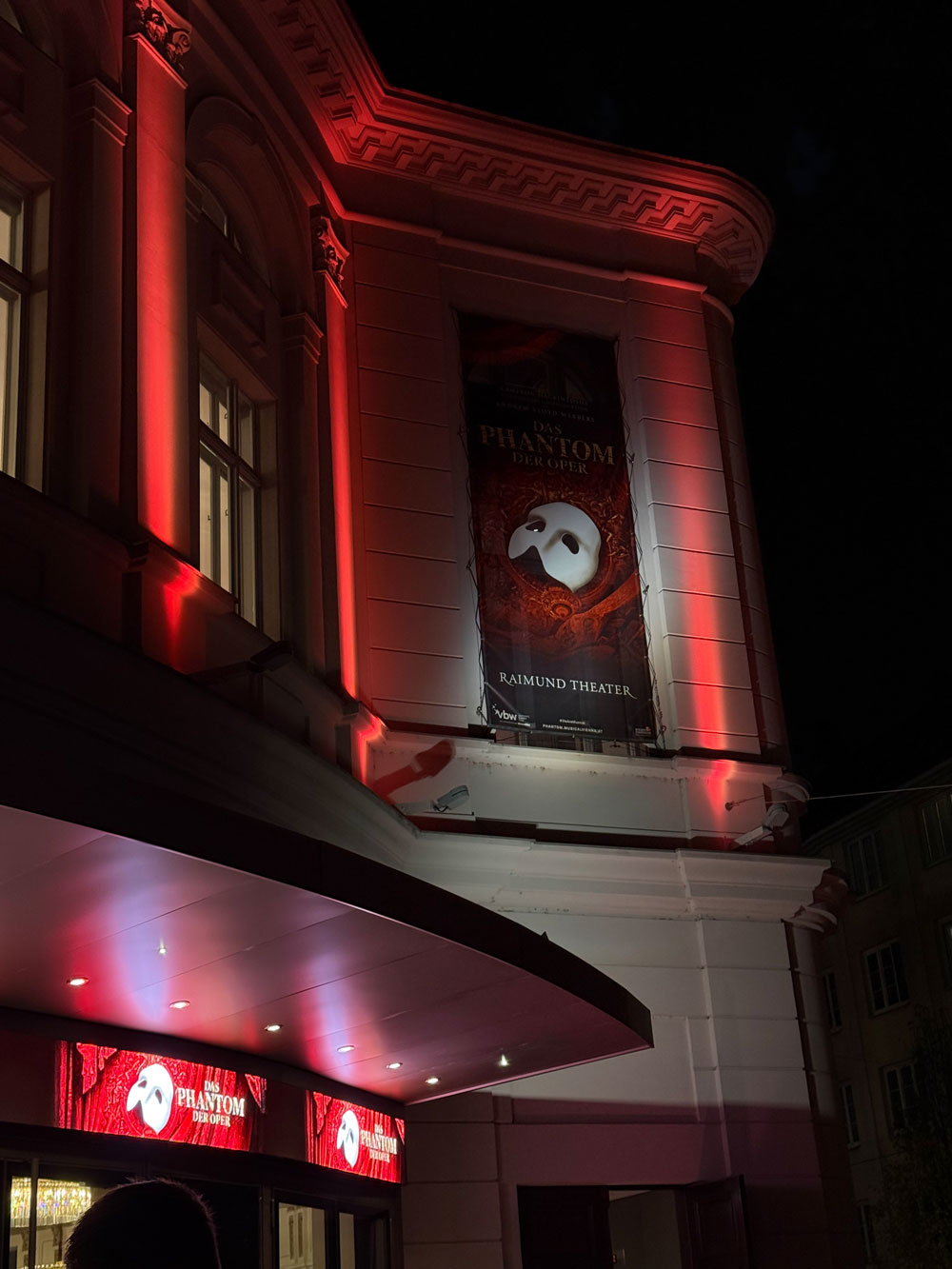
Musical “The Phantom of the Opera” at the Raimund Theater: a shared experience that connects people instantly—an ideal icebreaker for the next day.
Sightseeing: Small, easily accessible spots instead of a marathon—enough impressions without wearing out the team.
Why it worked:
Cross-company effect: Two companies = new perspectives, new ideas, new synergies.
Shared rituals: Evening recap round (10 min.) with “1 learning, 1 highlight, 1 idea.”
Light documentation: photo/short-video snippets → later usable for internal onboarding & employer branding.
Transfer to everyday work: Three concrete follow-ups emerged from the conversations (one person responsible for each, date fixed).
Our conclusion on Vienna: Culture + cuisine + short professional touchpoints beat full workshop days. The mix of experience and a light structural framework ensured that relationships became closer and ideas more concrete—without exhaustion.
Conclusion
A team outing is a lever for team culture and communication when it is well planned, inclusively designed, and translated into everyday work. Small after-work events maintain connection, and the annual trip provides direction and energy. The Vienna example shows: with the right rhythm and a good mix of experiences and short alignments, what often runs in parallel in daily work grows together—even across companies.


